The Quiet Race to Build Batteries That Never Catch Fire
Solid-state cells have been five years away for twenty years. A cluster of pilot plants suggests the wait may finally be measured in months.
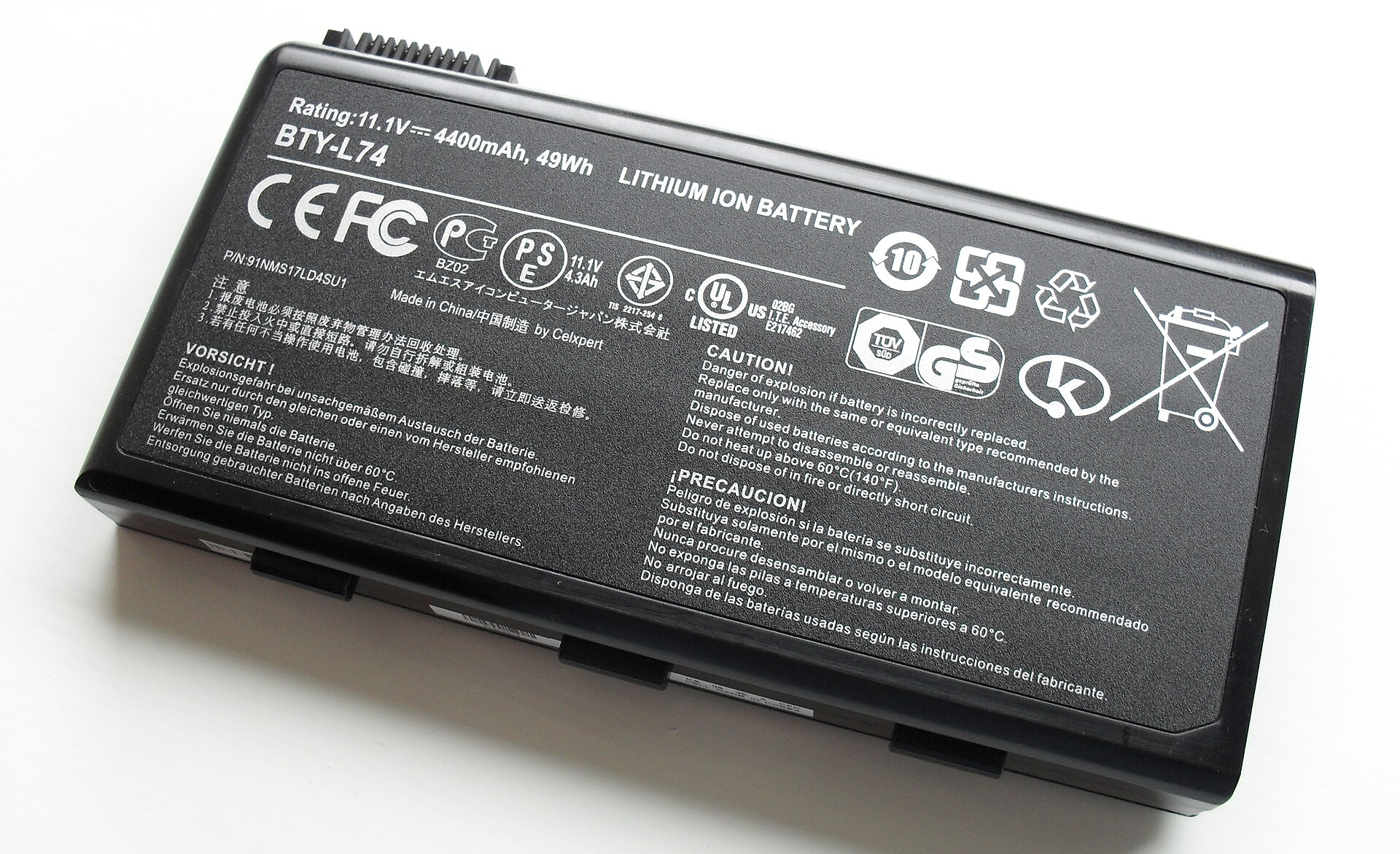
The promise is simple to state and brutally hard to engineer: replace the flammable liquid electrolyte in lithium batteries with a solid that conducts ions just as well. Do that, and thermal runaway — the failure mode behind nearly every battery fire — largely disappears.
Three manufacturers have now moved from laboratory cells to pilot lines producing automotive-format units in the thousands. Yields, the industry’s guarded secret, are said by suppliers to have crossed the threshold where scale production stops being charity.
We spent a decade making it work. We will spend the next one making it boring.
The first applications will not be cars but places where fire is intolerable: aircraft auxiliary systems, subsea equipment, home storage in dense housing. Automotive packs follow when cost falls — the familiar last mile that has humbled every battery chemistry before this one.
What comes next
The technology is no longer the bottleneck. The harder questions — who builds it, who profits, and who bears the risk — are only beginning to be asked.


1 Comment
Worth noting the yield numbers are supplier-reported. Independent teardowns will tell the real story.